Forty-Eight Nations, One Trophy, Zero Certainties
With 48 teams descending on three nations and France carrying the weight of favouritism, the most ambitious World Cup in history is just 48 hours from ignition.
The flags are up in Dallas, the turf is freshly rolled in Vancouver, and somewhere beneath the ancient concrete bowl of the Estadio Azteca, a groundskeeper is putting the final touches on a pitch that will host the tournament's opening match in two days' time. Forty-eight nations. Three host countries. One hundred and four matches. FIFA's expanded World Cup has been debated, derided and defended for years — and now, at last, it is almost real. The anticipation hanging over this continent feels less like excitement and more like pressure, the kind that builds before a thunderstorm.
France arrive as the model's clear favourites, carrying a 16% chance of lifting the trophy — a weight that has historically been as much curse as blessing. Their squad blends the ferocity of a new generation with the hard scar tissue of tournament experience, and if their attack fires in unison they may simply be too much for anyone. Argentina, the defending champions, sit at 10%, Lionel Scaloni's side quietly confident that the muscle memory of winning does not fade in four years. Brazil at 7% feel like a team with a point to prove after years of near-misses, while Spain, also at 7%, carry the philosophical purity of a style that either mesmerises or frustrates depending on which side of it you stand.
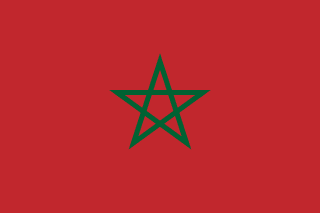
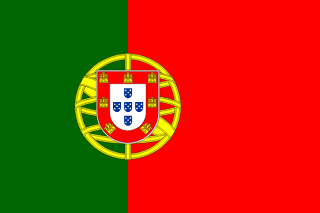
The numbers that will fuel the most conversation, however, belong further down the list. Morocco at 4% are no longer anyone's surprise — they are a genuine structural force, organised and ferocious, and their run to the 2022 semi-finals was no fluke. Turkey at 4% have a generation of players who have matured in Europe's elite club football and arrive with ambition that exceeds their seeding. Portugal, also at 4%, remain a tournament where the question of whether a squad can transcend the sum of its star parts will be asked loudly and answered slowly. England, too at 4%, travel with the familiar cocktail of public hope and private anxiety that has defined their tournament summers for six decades.
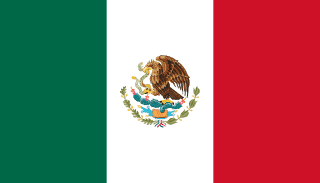
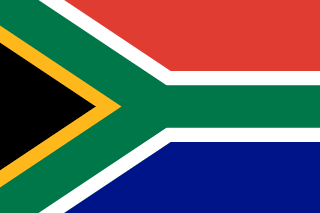
The new 12-group format means the early rounds will be relentless — three matches per group, 48 teams producing a cascade of results that will reshape the bracket daily. Smaller nations have more rope, more margin, more chance to build momentum before the knockout rounds arrive. It is entirely possible that the first genuine shock of the tournament lands on Day One, when Mexico face South Africa under the lights of the Azteca in a match loaded with home-crowd electricity and continental pride. The Azteca has hosted World Cup moments that live forever in football's memory. It is ready to make another.
Forty-eight hours. The simulations have run, the probabilities are set, and somewhere in the numbers a champion is already written — we just cannot read it yet. That is the beautiful, maddening truth of a World Cup: the favourite is a guess dressed in confidence, and the tournament itself is the only argument that settles anything. Kick-off cannot come soon enough.